Catalytic bead sensors burn combustible gas on a heated element: simple, proven, and the default for %LEL points. Electrochemical cells oxidise or reduce toxic gases at electrodes, giving ppm sensitivity for CO, H2S and their family. NDIR measures infrared-active gases without consuming them. PID ionises volatiles for low-ppm VOC duty.
Browse by type
Models and resources in this range
Matching principle to gas
The principle follows the target: combustibles to catalytic or infrared, toxics to electrochemical, carbon dioxide to NDIR, broad volatiles to PID. Cross-sensitivities and poisons shape the exceptions — silicones poison catalytic beads, hydrogen crosses into CO channels — and a good point schedule names the principle per point, not just the gas.
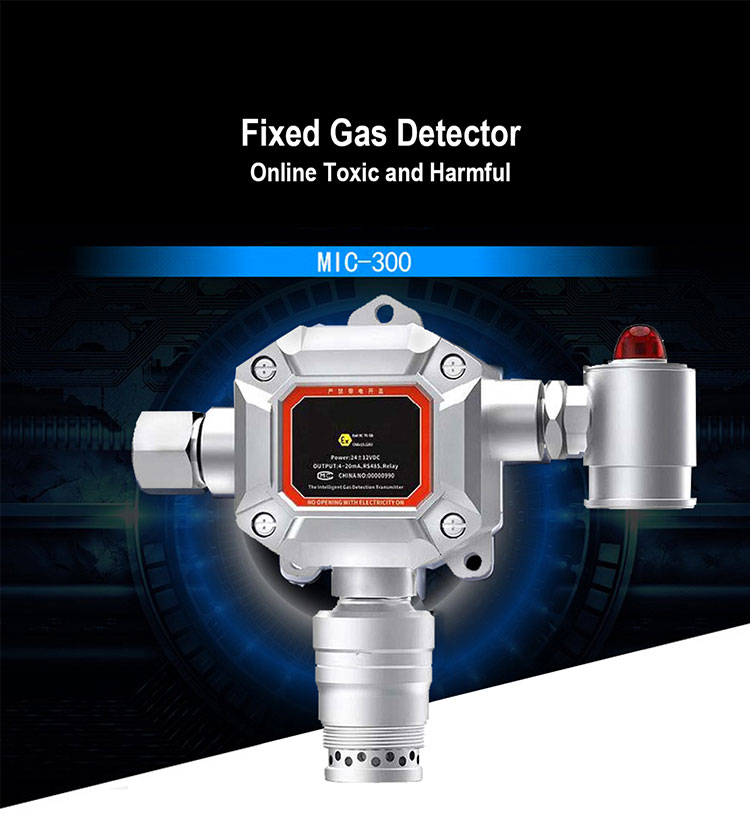
Both fixed families on this site expose the choice: the MIC100's channels accept catalytic, electrochemical, NDIR and PID modules, and the MIC300's span ladder configures around the selected sensor.
Signal standards
4–20 mA remains the lingua franca — one pair, live-zero fault detection, any panel. RS485 digital points add identity and diagnostics where the architecture supports them. The MIC100 fits both on one unit; project specifications should fix the signal per point at design stage, not at installation.
Send a target gas list, get a configuration
Quotations are built from the published parameters on this site. Tell us the gases, the ranges and the quantity — or the point schedule for a fixed project — and the reply comes back within 24 hours.
Request a quotation