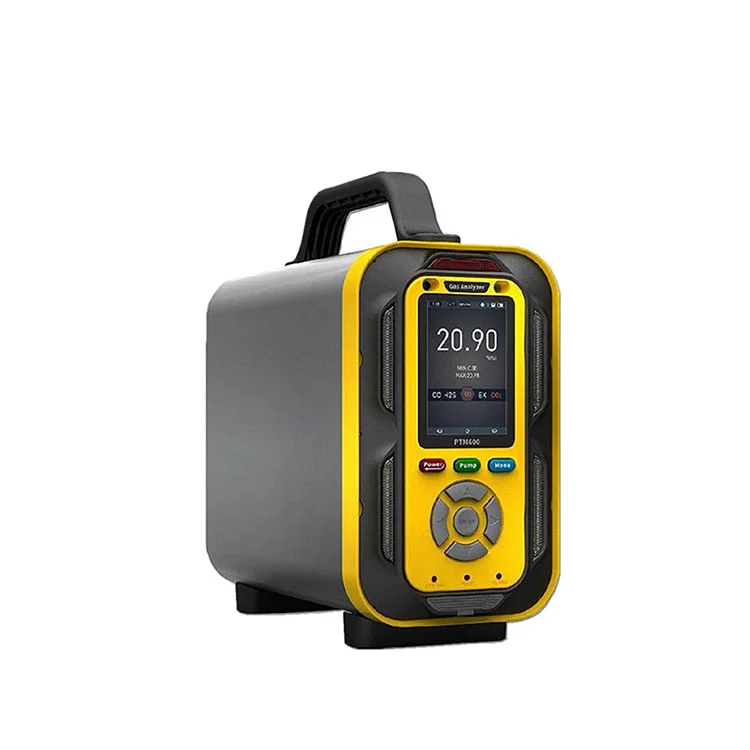
OEM/ODM is explicitly published for anchor models including the PTM600 portable multi-gas detector and the MS800A-10 ambient monitoring system, and the verified shop records ODM services as available.
What configuration means in practice
A gas detector is a configuration before it is a product: gas set, ranges, alarm thresholds, language, data options and housing branding all vary by programme. OEM supply fixes those choices per order — sensor sets from the 500-gas platform for portables, module sets for stations — so a distributor's fleet arrives uniform and supportable.
Private label work follows the same logic: the instrument platform stays standard (spares, calibration and documentation stay sane) while the programme-facing elements carry the buyer's identity.
Starting an OEM conversation
Bring the target models, the gas configurations, expected annual volumes and the markets served. Sensor-set decisions drive both price and lead time more than any branding question, and a complete target-gas list — the same advice the PTM600 page gives — produces the accurate first quotation. Distribution arrangements for overseas markets are part of the same conversation.
The private-label specification pack
A serious OEM inquiry arrives as a pack, not a paragraph: the target markets and their regulatory expectations, the gas set and ranges per model, the alarm and interface requirements, the branding elements (housing colours, marks, manuals, packaging), the quality documentation expected at delivery, and the forecast volumes by quarter. Suppliers price and prioritise packs; paragraphs get brochures. Buyers who cannot yet write the pack should say so and ask for the configuration conversation — that honesty is itself a signal of a real project, and it produces the pack as the conversation's output.
Quality gates across the order lifecycle
Private-label quality is a chain of gates, each cheaper than the next one's absence: sample approval against the written specification, first-article inspection at production start, in-process checks on the line, pre-shipment inspection with calibration records sampled, and incoming inspection on arrival with the same instruments the field will use. Agree the gates, the sample sizes and the remedy for a failed gate before the deposit, while everyone is still friends. The calibration certificate per unit — standard in professional supply — is the thread that ties the chain together: it proves each instrument left the factory measured, and it seeds the buyer's own service records.
After the first order: the programme view
The first order proves the product; the programme proves the partnership. Spares provisioning for sensors and batteries, firmware and documentation control as models evolve, training for the buyer's service bench, and a shared view of field failure data turn a purchase into an asset. Buyers should ask at the outset how a supplier handles each — the answers predict year three better than any price. Suppliers, for their part, should surface their programme terms early; the buyers worth having are selecting for exactly that horizon.
The OEM specification page, assembled
Assembled, the page a serious private-label buyer sends reads: identity and markets (the brand, the territories, the regulatory landscape the products must be sold into); the range (models and gas configurations with ranges, principles and the reasons the hazard assessments give for each); the experience (alarm behaviour, interfaces, data and software expectations, languages of manuals and displays); the body (colours, marks, packaging, the unboxing the buyer's customers will judge); the evidence (certificates per unit, test regimes, the quality gates and their remedies); the volumes (first order, forecast, the seasonality that production must absorb); and the programme (spares, service training, documentation control, the review rhythm). Suppliers answer pages like that with engineering and priority. The page is also the buyer's protection: everything agreed later traces back to it, and the first-article approval is signed against it. Programmes that begin with the page begin as partnerships; programmes that begin with a price begin as arguments postponed.
OEM programme terms
Private label — the buyer's brand on a manufacturer's platform, with the responsibilities divided in writing. First article — the initial production unit or batch approved against the specification before the run proceeds. Golden sample — the retained approved unit against which production is compared. Specification pack — the inquiry document that states markets, configurations, evidence, branding and volumes in one place. Calibration certificate per unit — the standard document that seeds each instrument's service life and the buyer's records. Change notification — the supplier's governed duty to declare alterations to components, firmware or process before they ship.
Spares provisioning — the agreed stocking of sensors, batteries and wear parts across the programme's horizon. Service bench training — the transfer of maintenance competence to the buyer's technicians. Documentation control — the versioning of manuals, datasheets and certificates as models evolve. Forecast cadence — the rhythm of volume communication that lets production absorb the buyer's seasonality. Quality gate — each inspection point in the order lifecycle, with its sample size and its remedy agreed in advance. Programme review — the periodic meeting at which field data, failures and forecasts are read together, the partnership's steering wheel.
The buyer's decade: planning the programme's whole life
Close the OEM conversation at the horizon it deserves. A private-label detector programme will live through sensor generations, regulatory revisions in its markets, the buyer's own channel changes and at least one redesign of every party's organisation. The agreements that survive that decade are the ones that anticipated it: change-notification duties, spares horizons stated in years, documentation escrow in effect if not in name, training refreshed as staffs turn over, and a review rhythm that forces the future onto the agenda while it is still negotiable. Buyers and suppliers who write the decade into the first contract are not being pessimistic; they are being professional in the specific way this industry rewards, because gas detection is a promise made to strangers about the worst day of their working lives, and promises of that weight are kept by programmes, not by shipments.
The first-article day
Narrate the first-article day as it should run, because programmes are remembered by their rituals. The buyer's team and the supplier's engineers around one table; the golden sample's specification open between them; the first production units measured against it line by line — ranges proven with gas, alarms heard, interfaces exercised, the certificate's format agreed against a real unit's data. Disagreements surface here, where they cost conversation, rather than at the port, where they cost quarters. The day ends with signatures that mean something because the measurements preceded them. Programmes that ritualise the first article rarely need their contract's remedies; programmes that skip it discover what the remedies were for.
When the programme must change horses
Sometimes a programme must move — a supplier exits, a market's rules transform, a platform reaches its end — and the migration deserves the same engineering as the launch: the installed base's service continuity guaranteed in writing, the documentation and calibration heritage transferred completely, the successor platform's equivalence proven against the incumbent in parallel running before the old line is allowed to fade. Buyers should write the exit's terms at the entrance, when goodwill is cheapest. It is the final form of this guide's recurring doctrine: in gas detection, the document is the product's second body, and programmes are judged, in the end, by how their paper behaves under stress.
The programme's first year, narrated
A healthy programme's first year has a recognisable plot. The specification pack hardens through the configuration conversation; samples arrive and are argued over productively; the first article is approved against measurements, with two changes nobody resents; production ships with certificates that the buyer's incoming inspection verifies on its own bench — and the verification agrees, which is the programme's true founding moment. Then the field begins its reporting: a sensor question here, a documentation request there, each answered inside the rhythm the agreement promised. By the year's end the parties possess the thing the contract was trying to describe — a working relationship with evidence in it — and the second year's forecast is written in a different tone from the first's. Programmes that recognise the plot can steer by it; programmes in a different plot should ask, early, which scene diverged.
Send a target gas list, get a configuration
Quotations are built from the published parameters on this site. Tell us the gases, the ranges and the quantity — or the point schedule for a fixed project — and the reply comes back within 24 hours.
Request a quotation